

Why the Leaning Tower of Pisa Is Leaning: History, Facts & Engineering Lessons
Few buildings in the world are as instantly recognizable as the Leaning Tower of Pisa. Its iconic tilt has puzzled travelers, inspired architects, and fascinated engineers for over 800 years. But here’s the twist—the tower was never meant to lean.
So why does it tilt? Was it a design flaw, poor construction, or simply bad luck?
Let’s explore the history, facts, and engineering lessons behind one of the world’s most famous architectural accidents.
Where Is the Leaning Tower of Pisa?
The tower stands in Piazza dei Miracoli (Square of Miracles) in Pisa, Italy. It is not a standalone structure—it was designed as the bell tower (campanile) of the Pisa Cathedral complex, alongside the cathedral and baptistery.
When and Why Was It Built?
- Construction began: 1173 AD
- Construction completed: 1372 AD
- Purpose: Bell tower for Pisa Cathedral
- Height: ~56 meters (183 feet)
The tower took nearly 200 years to complete due to wars, political instability, and—ironically—its structural problems.
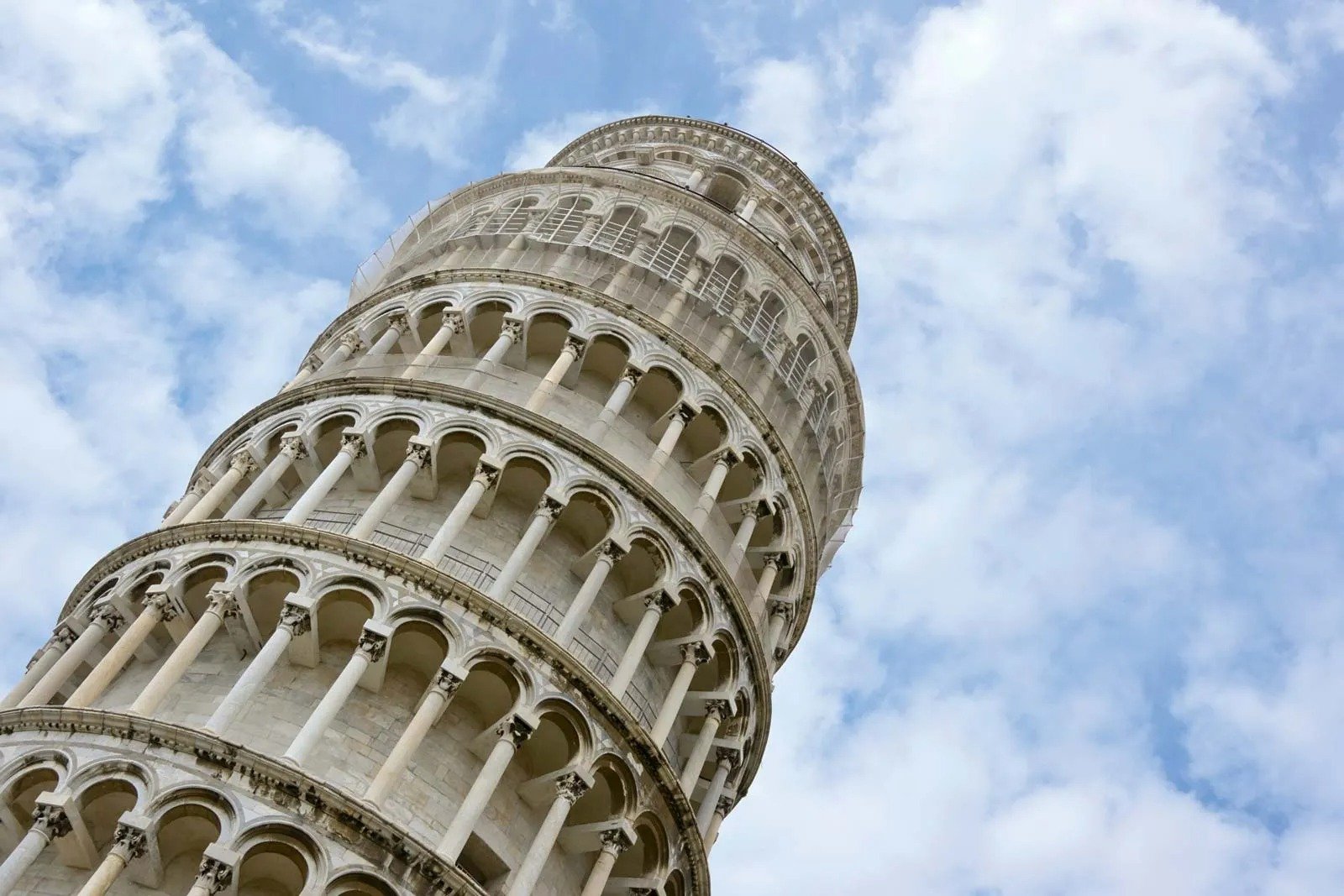
Why Is the Tower Leaning?
The famous tilt began during construction of the second floor.
The main reasons:
- Weak foundation: Only about 3 meters deep
- Soft soil: A mix of clay, sand, and silt
- Uneven ground compression
The soil on one side compressed more than the other, causing the structure to slowly sink and lean.
- Weak foundation: Only about 3 meters deep
The tilt was not caused by earthquakes or wind—but by poor soil assessment.
How the Lean Saved the Tower
Ironically, the frequent construction pauses helped prevent collapse. These breaks allowed the soil to settle gradually, giving the tower time to stabilize.
Later builders even tried to compensate by building upper floors taller on one side, giving the tower its subtle curve.
Architectural Style
- Style: Romanesque
- Material: White marble and limestone
- Design: Cylindrical with arcaded columns
- Floors: 8 (including the bell chamber)
Despite the flaw, the craftsmanship remains exceptional and elegant.
Engineering Efforts to Save the Tower
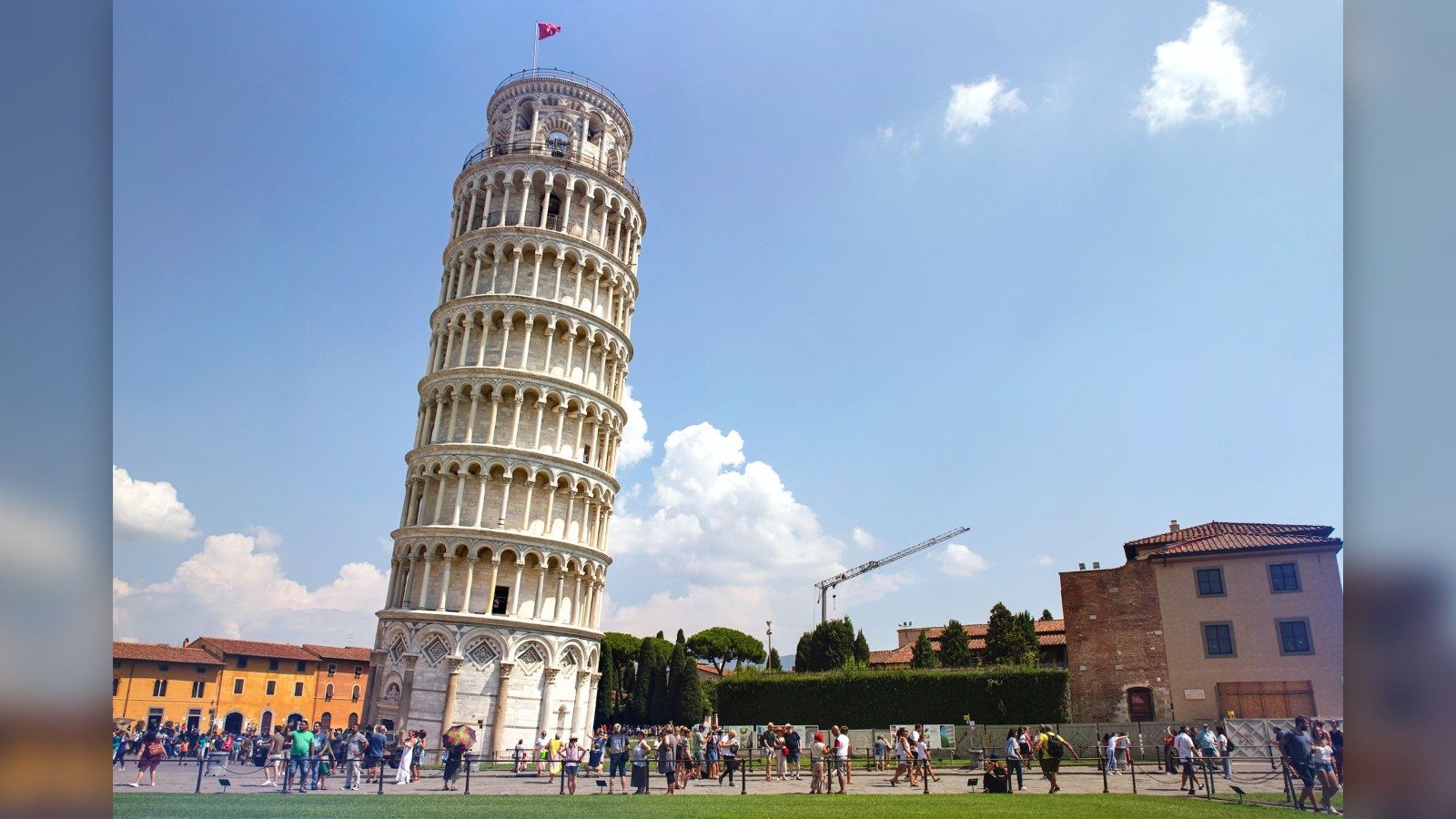
By the 20th century, the tower leaned at over 5.5 degrees, raising fears of collapse.
Major stabilization efforts included:
- Removing soil from beneath the higher side
- Installing counterweights
- Strengthening the foundation
Monitoring movement with modern sensors
- Style: Romanesque
The tilt was reduced to about 3.97 degrees, and the tower is now considered stable for at least 200 years.
Interesting Facts About the Leaning Tower of Pisa
- It has 294 steps to the top
- Galileo Galilei reportedly conducted gravity experiments here
- The tower leans southward
- It survived multiple earthquakes
- The bells were silenced for years due to instability
A Lesson for Architecture & Construction
The Leaning Tower of Pisa is more than a tourist attraction—it’s a global case study in:
- Foundation design
- Soil testing
- Structural monitoring
- Long-term building resilience
It reminds architects and engineers that nature always has the final say, and even mistakes can become masterpieces.
Conclusion
What began as a construction error turned into one of the most beloved landmarks in history. The Leaning Tower of Pisa teaches us that imperfection can create identity, and smart engineering can transform failure into legacy.
Sometimes, buildings don’t stand out because they are perfect—
They stand out because they lean into their story.