BIM for Architects — Why Modern Architects Must Understand BIM
Architecture is evolving rapidly as technology continues to transform the way buildings are designed and constructed. One of the most important developments in the Architecture, Engineering, and Construction (AEC) industry is the adoption of Building Information Modeling.
Today, BIM for architects is becoming an essential part of modern design workflows. Instead of working with traditional drawings alone, architects are increasingly using BIM-based tools to create intelligent digital models that improve collaboration and project efficiency.
Understanding BIM for architects is no longer optional. It is quickly becoming a core skill that helps architects work more effectively with engineers, contractors, and project managers. As the industry continues moving toward digital construction practices, architects who understand BIM workflows are better prepared to manage complex projects and deliver more efficient design solutions. Because of this shift, BIM for architects is becoming an important skill for professionals who want to design smarter buildings, coordinate with teams effectively, and stay competitive in the evolving AEC industry.
What Is BIM in Architectural Practice?
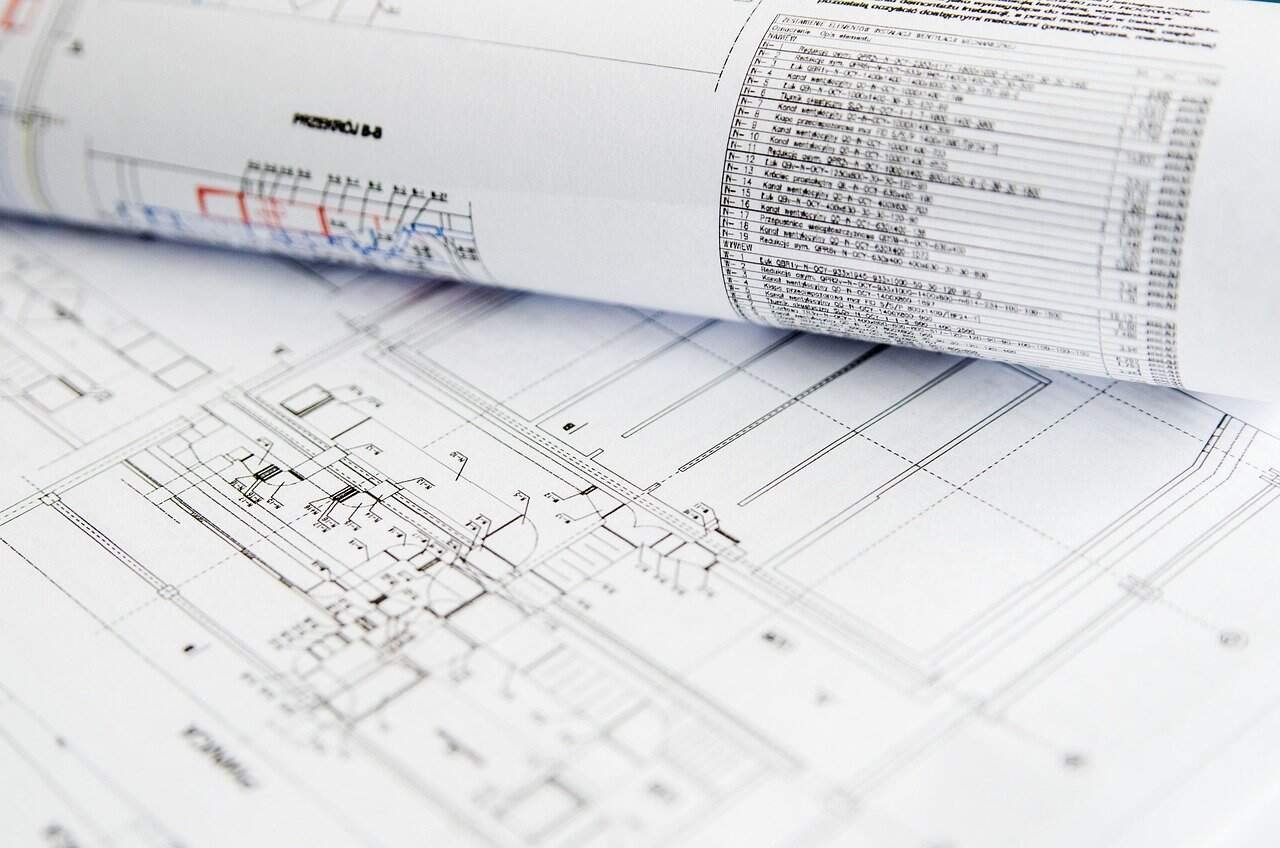
Building Information Modeling is a digital process that allows design teams to create intelligent 3D models containing information about building components, materials, and systems.
When architects work within BIM environments, the model becomes a shared source of information for the entire project team. This makes it easier to visualize the design, manage changes, and generate project documentation.
Unlike traditional CAD workflows, BIM integrates design data with project coordination, making architectural work more efficient and accurate.
Why BIM Is Becoming Important for Architects
The construction industry is becoming more collaborative and technology-driven. As projects grow more complex, digital workflows help design teams coordinate effectively.
Some important advantages include:
Better collaboration with engineering consultants
Early identification of design conflicts
Improved project visualization
Faster documentation and drawing updates
More accurate planning and coordination
These benefits are the reason many architecture firms now prefer professionals who understand BIM-based workflows.
How BIM Improves the Design Process
One of the biggest advantages of BIM is that architects can design using intelligent building elements rather than simple lines and shapes.
Walls, floors, windows, and other components contain real data inside the digital model. When changes are made, drawings and documentation update automatically. This allows design teams to maintain consistency across the entire project.
By using digital modeling systems, architects can also simulate building performance, coordinate with consultants, and manage design revisions more efficiently.
Skills Architects Should Develop
Architects who want to work with modern digital workflows should focus on developing several important skills:
Understanding BIM concepts and collaborative processes
Digital modeling and design documentation
Coordination with multidisciplinary teams
Visualization and presentation techniques
Project data management
Developing these skills helps architects adapt to the changing demands of the AEC industry.
Career Opportunities for Architects with BIM Knowledge
As digital workflows become more common, architects with BIM knowledge are finding new career opportunities in the design and construction industry.
Possible roles include:
Architectural modeler
BIM coordinator
Digital design specialist
Project coordination assistant
Construction documentation professional
The demand for professionals who understand modern design technology continues to grow worldwide.
The Future of Architecture and BIM
The future of architecture will be closely connected with digital technologies and integrated project workflows. BIM will likely become the foundation for other innovations such as digital twins, smart buildings, and automated construction systems.
Architects who develop strong digital skills today will be better prepared for the future of the built environment.
Final Thoughts
Modern architecture requires more than creativity and design thinking. Professionals must also understand the digital systems that support collaboration and project coordination.
Learning BIM concepts allows architects to work more efficiently, communicate better with project teams, and contribute to more successful building projects.