
Digital Construction Course — A Complete Guide for Architects and Engineers
The construction industry is rapidly transforming as technology reshapes the way buildings are designed, planned, and constructed. One of the biggest shifts in the Architecture, Engineering, and Construction (AEC) industry is the move toward digital workflows and collaborative design processes. This transformation has created a growing demand for professionals who understand modern construction technologies.
A digital construction course helps architects, engineers, and construction professionals learn how technology is used to improve project efficiency, coordination, and decision-making. Instead of relying solely on traditional drawings and manual processes, digital construction focuses on data-driven models, integrated workflows, and collaborative platforms that allow teams to work smarter.
Learning through a digital construction course can help professionals understand how modern construction projects are planned and executed using digital tools and information-rich models.
What is Digital Construction?
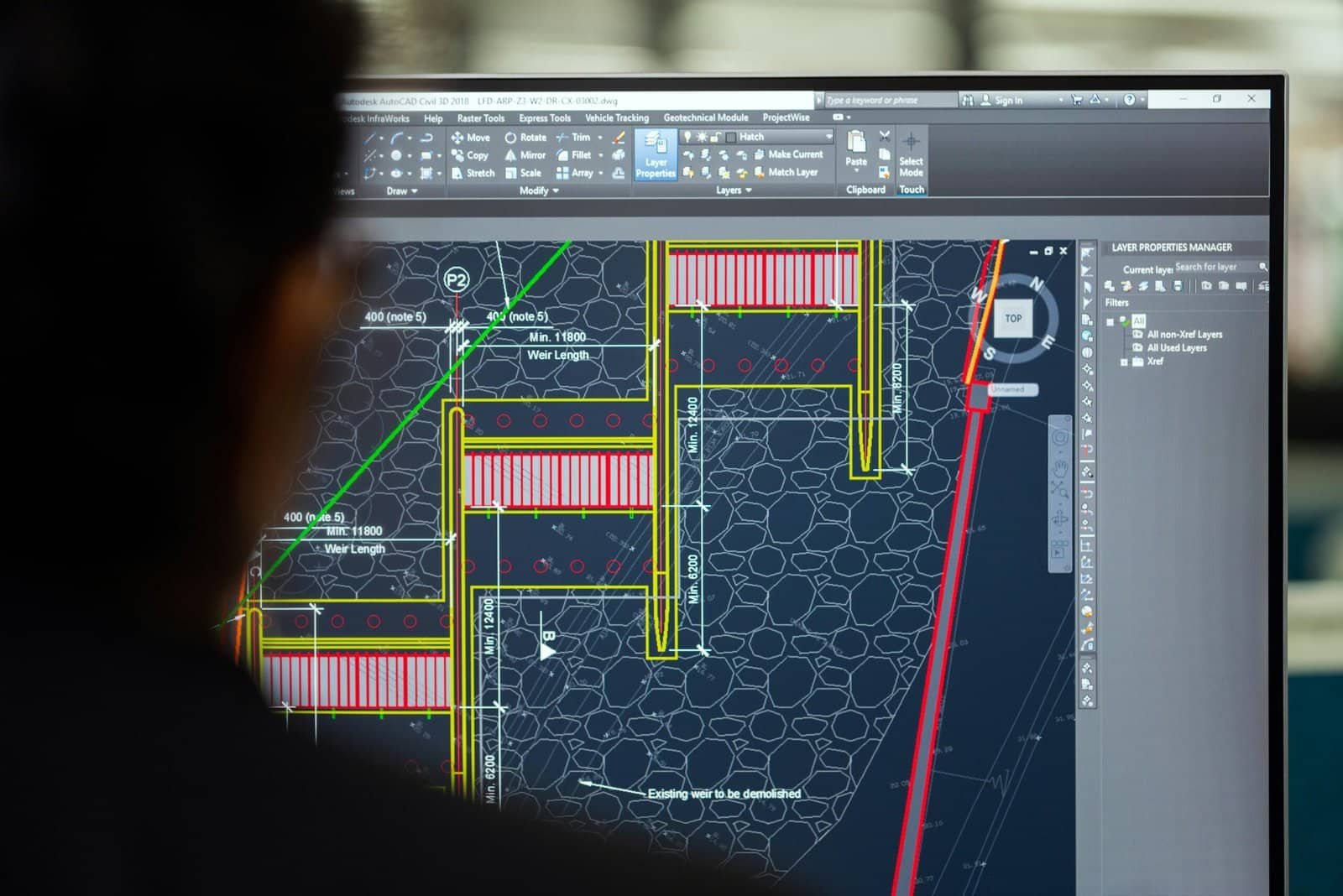
Digital construction refers to the use of advanced technologies to plan, design, manage, and deliver construction projects more efficiently. It combines digital tools, data systems, and collaborative processes to create a connected workflow across the entire project lifecycle.
A digital construction course usually introduces students to the core concepts behind these technologies and explains how digital systems improve coordination between architects, engineers, contractors, and project stakeholders.
Instead of working with isolated drawings, digital construction enables teams to collaborate around intelligent digital models that contain detailed building information.
Why Digital Construction Is Important
The global construction industry is increasingly adopting digital practices to reduce project delays, improve communication, and enhance design accuracy. Professionals who complete a digital construction course often gain a deeper understanding of how digital tools can improve project outcomes.
Key benefits of digital construction include:
Better coordination between project teams
Reduced construction errors and design conflicts
Improved project visualization
Faster documentation and workflow management
More accurate project planning and cost estimation
Because of these advantages, many firms now prefer professionals who have completed a digital construction course or who understand digital construction workflows.
What You Learn in a Digital Construction Course
A well-structured digital construction course typically focuses on the technologies and processes that support modern construction workflows.
Some of the topics commonly covered in a digital construction course include:
Introduction to digital construction principles
Understanding Building Information Modeling (BIM)
Digital collaboration between design teams
Model-based design workflows
Construction planning using digital models
Project data management and documentation
By learning these topics, students gain a clearer understanding of how digital tools support real construction projects.
Who Should Take a Digital Construction Course?
A digital construction course is useful for a wide range of professionals and students working in the built environment.
It is particularly valuable for:
Architecture students
Architecture graduates
Civil engineering students
Construction professionals
Designers interested in BIM workflows
Even beginners who want to understand modern construction practices can benefit from enrolling in a digital construction course.
Career Opportunities After Learning Digital Construction
Professionals who understand digital construction concepts can explore several career opportunities within the AEC industry.
After completing a digital construction course, individuals may work in roles such as:
BIM modeler
Digital construction specialist
Architectural designer
Project coordination assistant
Construction planning professional
As the industry continues adopting technology-driven workflows, professionals with knowledge gained from a digital construction course will remain highly valuable.
The Future of Digital Construction
The future of construction will be heavily influenced by technologies such as BIM, digital twins, artificial intelligence, and smart infrastructure systems. These innovations rely on digital models and collaborative platforms to improve how projects are delivered.
Learning through a digital construction course prepares professionals to work in an industry that increasingly relies on digital processes rather than traditional manual methods.
As construction projects become more complex, professionals who understand digital construction workflows will play an important role in shaping the future of the built environment.
Final Thoughts
A digital construction course provides valuable insights into the technologies transforming modern construction and architecture. By learning how digital tools support collaboration, design coordination, and project management, professionals can better adapt to the evolving demands of the AEC industry.
For architects, engineers, and students interested in the future of construction, understanding digital workflows is becoming an essential step toward building a successful career in the industry.