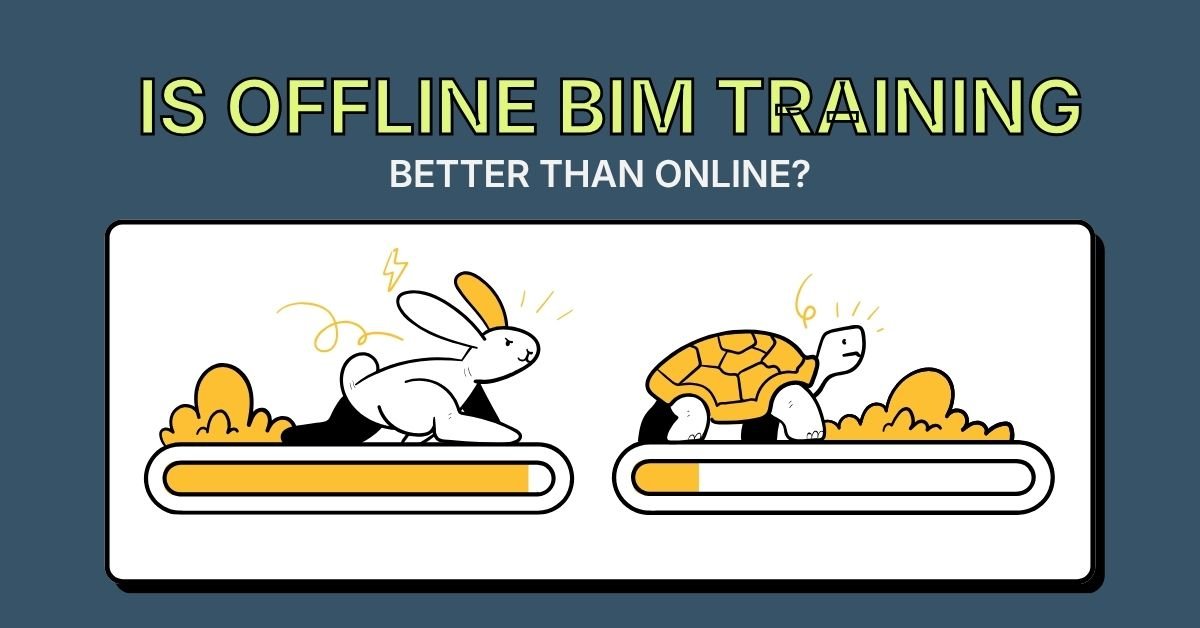
If you’re planning to build a career in BIM, one question is almost guaranteed to come up: offline BIM training vs online — which one is actually better?
And honestly, this isn’t a simple yes-or-no answer.
Both learning modes have their own strengths, weaknesses, and ideal use cases. Some students thrive in physical classrooms, while others prefer the flexibility of online learning.
So instead of giving you a generic answer, let’s break this down in a practical, real-world way — so you can decide what’s actually best for your career.
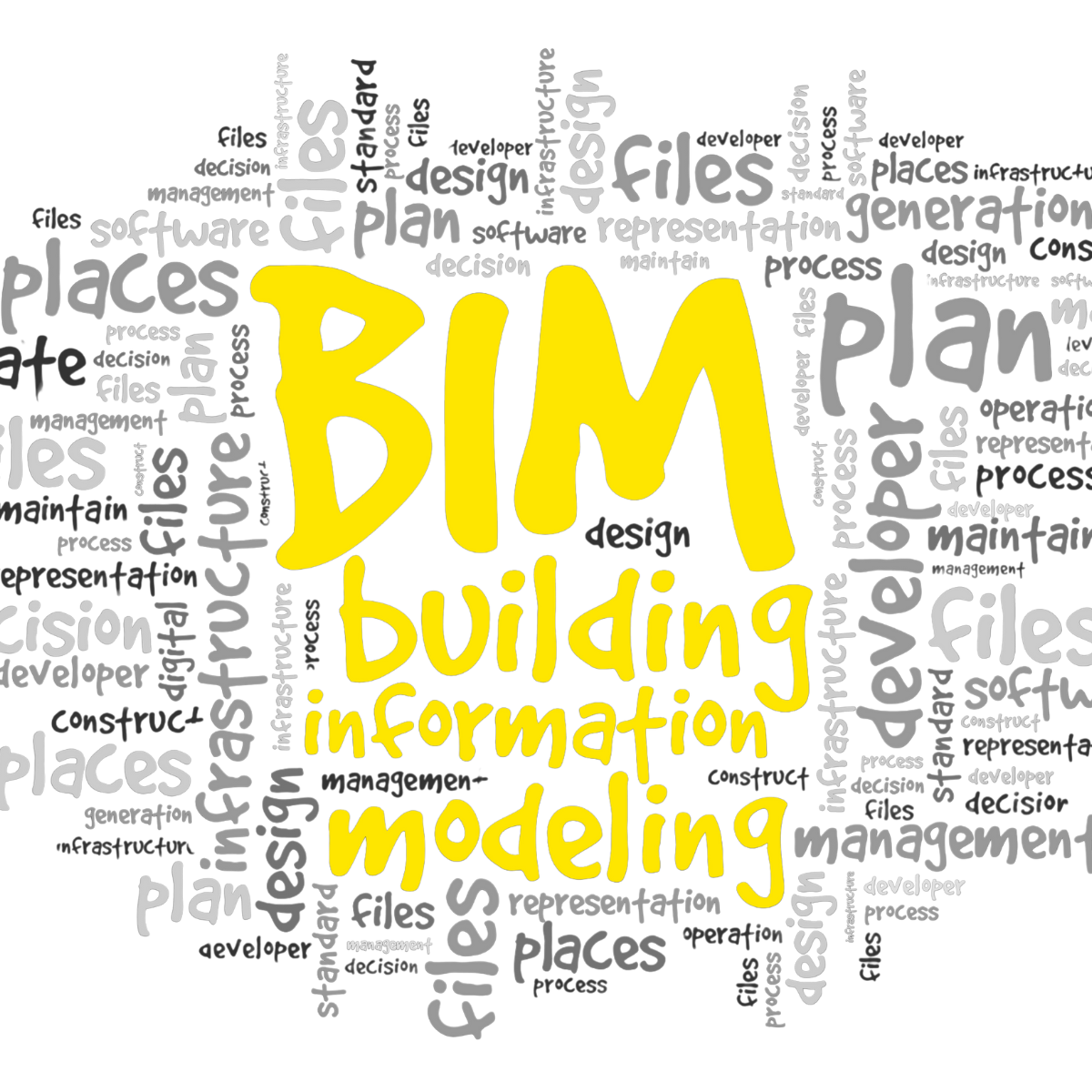
What is BIM Training? (Quick Overview)
Before we compare offline BIM training vs online, let’s quickly understand what BIM training includes.
BIM (Building Information Modeling) training typically covers:
- Software like Revit, Navisworks, Archicad
- 3D modeling and visualization
- Clash detection and coordination
- Real project workflows
- Industry standards (LOD, BIM Execution Plan)
Now, how you learn these skills — offline or online — makes a big difference.
Offline BIM Training vs Online: Core Difference
Offline BIM Training
- Classroom-based learning
- Face-to-face interaction with trainers
- Fixed schedule
- Hands-on lab environment
Online BIM Training
- Learn from home
- Recorded or live sessions
- Flexible timing
- Self-paced or instructor-led
Now let’s go deeper into the offline BIM training vs online comparison.
1. Learning Experience: Which One is More Effective?
Offline BIM Training
- Direct interaction with mentors
- Instant doubt solving
- Better focus (less distraction)
- Structured learning environment
This is especially helpful for beginners who need strong fundamentals.
Online BIM Training
- Learn at your own pace
- Rewatch recorded sessions
- Good for working professionals
- Requires strong self-discipline
Verdict:
In the offline BIM training vs online debate, offline wins for beginners, while online works better for self-motivated learners.
2. Practical Exposure & Real Projects
Offline BIM Training
- Access to real-time project simulations
- Group assignments and teamwork
- Lab-based practice
- Trainer supervision during practice
Online BIM Training
- Limited hands-on monitoring
- Practice depends on your discipline
- Some courses provide project files
Verdict:
When it comes to practical exposure, offline BIM training vs online clearly favors offline learning.
3. Flexibility & Convenience
Offline BIM Training
- Fixed timings
- Travel required
- Less flexibility
Online BIM Training
- Learn anytime, anywhere
- Ideal for freelancers or job holders
- Pause, rewind, repeat learning
Verdict:
In terms of flexibility, offline BIM training vs online clearly favors online learning.
4. Networking & Career Opportunities
Offline BIM Training
- Meet peers and industry experts
- Build real connections
- Better placement support
- Exposure to industry environment
Online BIM Training
- Limited networking
- Mostly virtual interaction
- Placement support varies
Verdict:
For networking and job opportunities, offline BIM training vs online strongly favors offline.
5. Cost Comparison
Offline BIM Training
- Higher fees
- Includes infrastructure cost
- Travel + accommodation (if needed)
Online BIM Training
- More affordable
- No extra expenses
- Good ROI if self-learned properly
Verdict:
From a cost perspective, offline BIM training vs online clearly favors online.
6. Discipline & Consistency
Offline BIM Training
- Fixed schedule builds discipline
- Regular assignments and monitoring
- Less procrastination
Online BIM Training
- Easy to delay learning
- Requires self-control
- Many students don’t complete courses
Verdict:
In discipline, offline BIM training vs online favors offline learning.
7. Placement & Career Support
Offline BIM Training
- Dedicated placement assistance
- Interview preparation
- Industry tie-ups
- Portfolio building support
Online BIM Training
- Limited or no placement support
- Mostly skill-based learning
Verdict:
For career outcomes, offline BIM training vs online leans heavily toward offline institutes.
So, Which One Should You Choose?
Here’s a simple decision guide:
Choose Offline BIM Training if:
- You are a beginner
- You need structured learning
- You want placement support
- You prefer classroom environment
- You struggle with self-discipline
Choose Online BIM Training if:
- You are already working
- You want flexibility
- You are self-motivated
- You have budget constraints
- You want to upgrade specific skills
Real-World Insight (Important)
Here’s something most blogs won’t tell you:
The success of offline BIM training vs online doesn’t depend only on the mode — it depends on:
- Course quality
- Trainer experience
- Real project exposure
- Your consistency
A bad offline course is worse than a good online one.
And a lazy student won’t benefit from either.
Conclusion
So, is offline BIM training vs online a clear winner?
Not exactly.
- Offline training is better for beginners, discipline, networking, and placements
- Online training is better for flexibility, affordability, and working professionals
The smartest approach?
If possible, combine both.
Start with offline training for fundamentals, then use online resources to upgrade and specialize.
That’s how you actually build a strong BIM career — not just by choosing a mode, but by choosing the right strategy.