
Top Skills Required for Architects in 2026 — What Every Future Architect Must Know
Why Chand Baori Is One of India’s Greatest Architectural Wonders
Architecture today is evolving faster than ever before.
Gone are the days when architects only focused on drawings and design concepts. Modern architects are expected to think strategically, collaborate across disciplines, and work with advanced technologies that shape how buildings are imagined and constructed.
Whether you are a student stepping into the field or a professional looking to grow, understanding the skills required for architects can make the difference between simply working in the industry and truly leading it.
Let’s explore the essential skills that define successful architects in today’s world.
🎨 1. Creative Thinking and Design Sensibility
At the heart of architecture lies creativity.
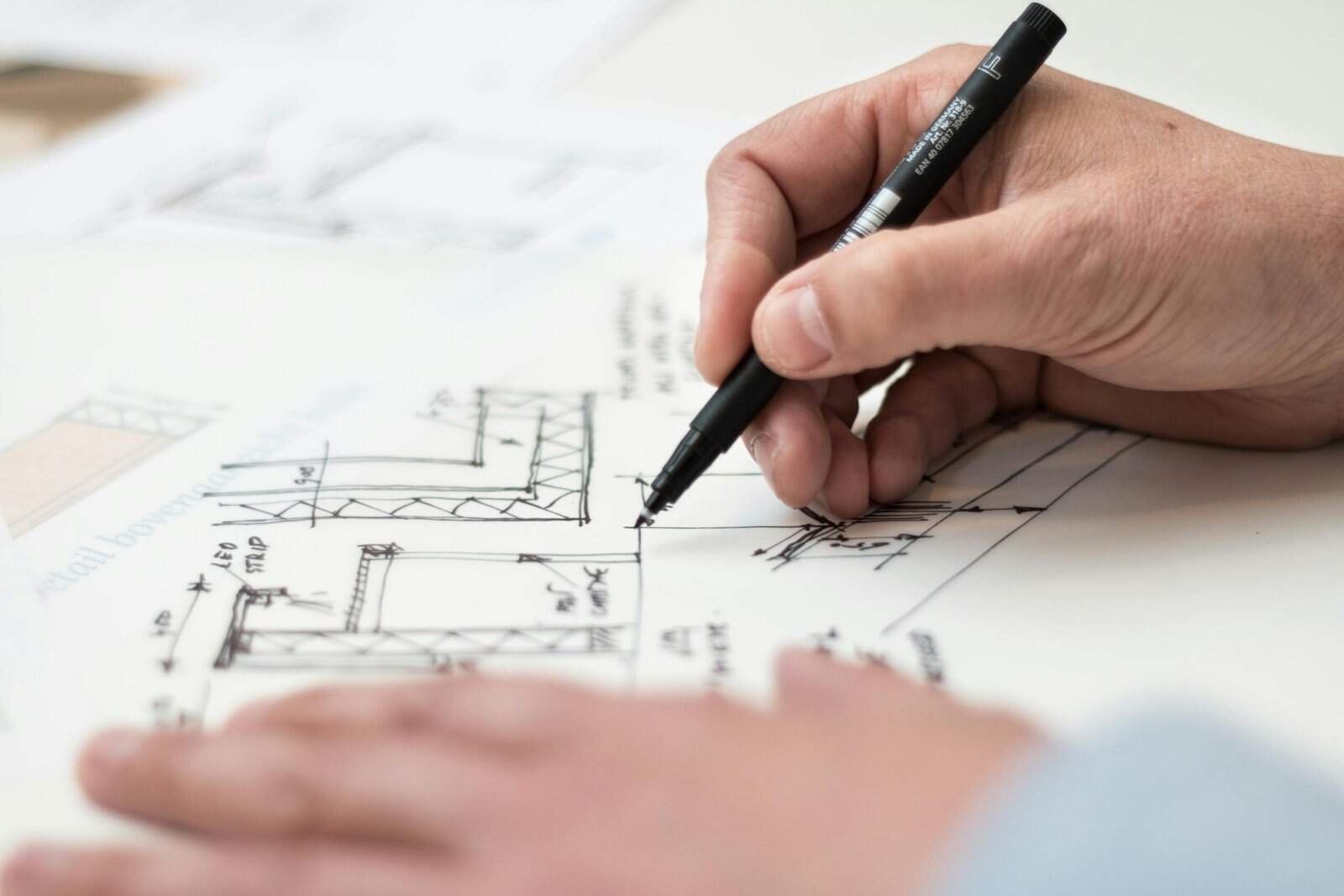
Architects must be able to visualize spaces, solve design challenges, and create environments that are both functional and inspiring. Strong design thinking allows professionals to transform ideas into meaningful spaces that improve how people live and work.
Creativity isn’t just about aesthetics — it’s about problem solving through design.
🧠 2. Critical Thinking and Problem Solving
Every project comes with constraints — budgets, site conditions, regulations, timelines.
Architects must analyze situations carefully and develop practical solutions. The ability to think critically helps in making informed decisions that balance creativity with feasibility.
This skill becomes especially important when managing complex projects.
💻 3. Digital and Software Skills
Technology has become central to architectural practice.
Professionals are expected to understand digital tools used for modeling, documentation, visualization, and collaboration. Working efficiently with software allows architects to communicate ideas clearly and coordinate with teams effectively.
Digital literacy is no longer optional — it’s a core requirement.
🏗 4. Understanding of BIM and Digital Workflows
Building Information Modeling has transformed how projects are executed worldwide.
Architects who understand collaborative digital workflows can coordinate with engineers and contractors seamlessly, reduce errors, and contribute to smarter project delivery.
Learning BIM concepts gives professionals a strong competitive advantage in the industry.
🤝 5. Communication and Collaboration Skills
Architecture is a team effort.
From presenting ideas to clients to coordinating with consultants and contractors, clear communication is essential. Strong interpersonal skills help build trust and ensure projects move forward smoothly.
Successful architects are great communicators as much as they are designers.
🌍 6. Knowledge of Sustainability and Environmental Design
With growing awareness about climate change, architects play a crucial role in creating sustainable environments.
Understanding energy efficiency, material selection, and environmental impact helps design buildings that are responsible and future ready.
Sustainability is becoming a standard expectation rather than a specialization.
📋 7. Project Management Awareness
Architects often coordinate timelines, budgets, and teams.
Basic project management skills — such as planning, organization, and decision making — help ensure projects are delivered efficiently. Even early in their careers, architects benefit from understanding how projects are structured.
📊 8. Visualization and
Presentation Skills
Being able to communicate ideas visually is essential.
Whether through drawings, 3D models, or presentations, architects must convey design intent clearly. Strong visualization skills help clients and stakeholders understand concepts and make informed decisions.
🚀 9. Adaptability to New Technologies
The architecture industry is constantly evolving.
Emerging technologies like digital twins, parametric design, and advanced construction methods are reshaping workflows. Architects who stay curious and open to learning remain ahead of the curve.
Adaptability is one of the most valuable long-term skills.

Why These Skills Matter More Than Ever
The role of architects is expanding beyond design into strategic thinking, data-driven decision making, and cross-disciplinary collaboration.
Employers today look for professionals who can combine creativity with technical understanding and adapt to changing industry demands.
Developing these skills prepares architects not just for jobs — but for meaningful careers.
How to Start Building These Skills
You can develop these abilities through:
Hands-on workshops
Real project exposure
Continuous learning
Mentorship from experienced professionals
Learning environments that simulate real industry workflows often provide the most effective growth opportunities.
The Future Belongs to Skilled Architects
As cities grow smarter and projects become more complex, the demand for skilled architects continues to rise.
Those who invest time in developing both creative and technical skills will find themselves better prepared to lead, innovate, and contribute to shaping the built environment.
Architecture is not just about designing buildings — it’s about designing the future.
FAQ
Creativity, digital skills, communication, BIM knowledge, and problem solving are among the most important.
Yes, technical understanding is essential alongside design ability.
Yes, BIM is becoming a global industry standard.
Absolutely — through practice and training.